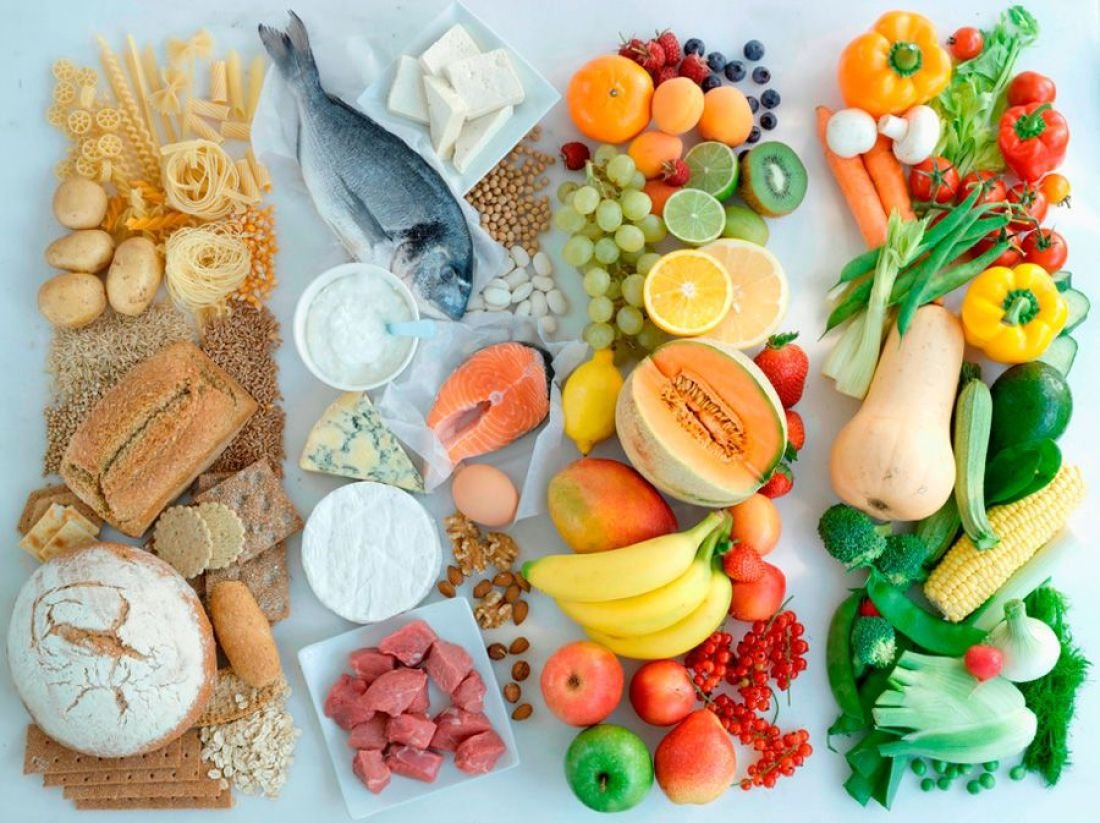
Food and Medication: What Shouldn’t Be Mixed?
Food and medication compatibility is a key issue when taking daily prescriptions. Certain foods may reduce a drug’s effectiveness or lead to unpleasant side effects if not taken correctly.
Why Food-Drug Interactions Occur
Foods can influence how medications are absorbed, processed, or eliminated. This may lead to weakened therapeutic effects or increased risks:
- Dairy may reduce absorption of certain antibiotics like tetracycline.
- Grapefruit juice affects enzymes that metabolize medications such as statins or antihistamines.
- Green leafy vegetables may interfere with blood thinners (e.g., warfarin).
Home Tips to Stay Safe
To reduce risks from food-drug combinations, follow these daily practices:
- Read labels: “take on an empty stomach” and “with meals” have different meanings.
- Avoid known conflicting foods based on your prescription.
- Keep a schedule using a medication planner or app.
Recommended Products
- Hydrominum – supports detox and healthy water balance, especially helpful during medication use.
- Lactobacillus Complex – helps restore gut health affected by antibiotics.
- Immunace – boosts immune resilience while your diet or medication regime changes.
When to Contact a Doctor
If you experience any unusual symptoms or reactions after taking medication with certain foods, consult your doctor or pharmacist. Do not adjust doses on your own.
Warning: Always consult a healthcare provider before modifying your medication or diet.
For further information, see WebMD: Food and Drug Interactions.
Conclusion
Knowing which foods to avoid when taking medication is key to treatment success. Always follow instructions, ask professionals, and take care of your daily routine for safe recovery.