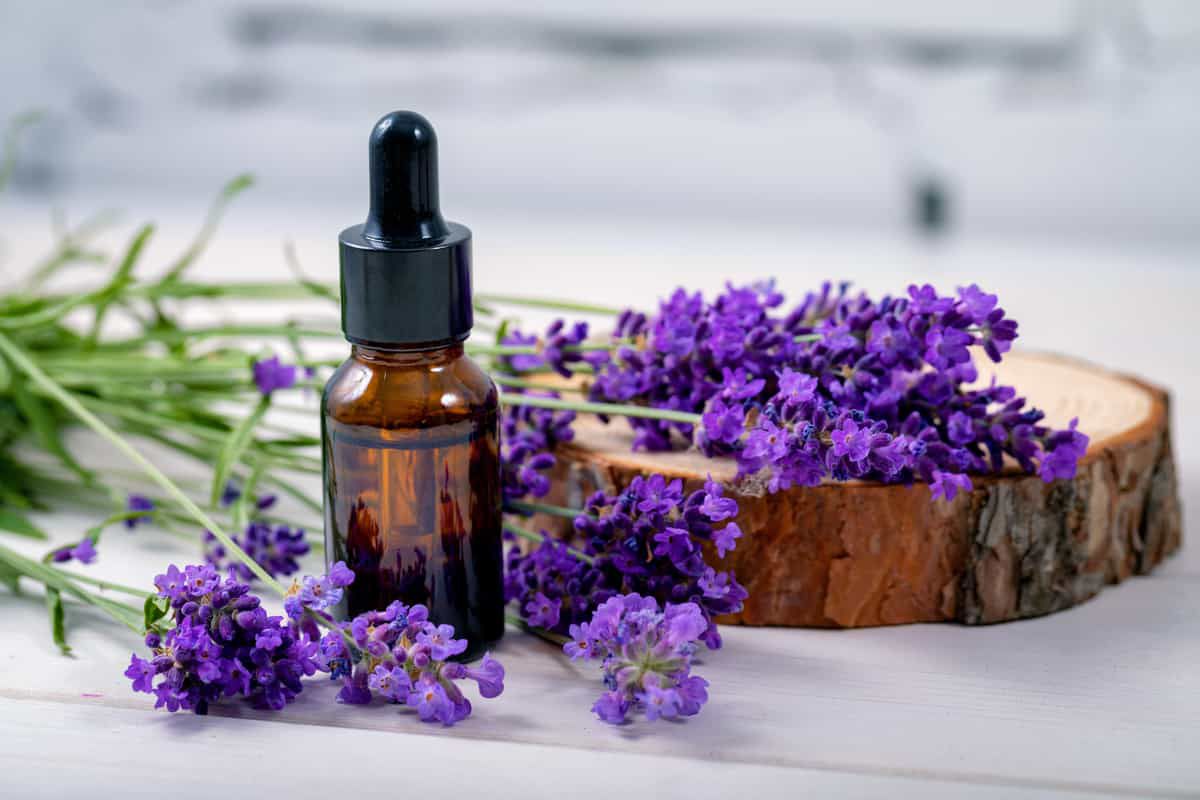
How Essential Oils Affect Health
Understanding how essential oils affect health has become increasingly important as more people look for natural ways to manage stress, mild pain, and sleep problems. Used correctly, these oils may support overall well-being.
Reasons People Turn to Essential Oils
Busy lifestyles, digital overload, and daily stress can affect both mental and physical health. Many people choose essential oils to create a calming routine, support better sleep, or ease minor discomfort naturally.
Home Methods and Prevention
- Use a diffuser to spread calming scents like lavender or chamomile around your home.
- Add a few drops of peppermint oil to a bowl of hot water and inhale to help with mild headaches or sinus discomfort.
- Combine essential oils with carrier oils for gentle massage to relax muscles.
- Practice mindful breathing or meditation with soothing aromas to lower daily stress.
Recommended Essential Oils
- Lavender Essential Oil – helps promote relaxation and improve sleep quality.
- Peppermint Essential Oil – known to refresh the senses and relieve mild headaches.
- Eucalyptus Essential Oil – can help clear nasal passages and ease breathing.

When to See a Doctor
Essential oils may help with mild and occasional symptoms, but they are not a cure. If pain, stress, or sleep issues persist, or if you notice skin irritation or allergic reactions, consult a doctor promptly.
Conclusion
Knowing how essential oils affect health can help you safely include them in your daily routine. Use oils like Lavender, Peppermint, and Eucalyptus mindfully, and always check with a healthcare professional when needed.
Disclaimer: Always consult your doctor or pharmacist before using essential oils, especially for children, pregnant women, or those with chronic conditions.
Learn more from Mayo Clinic.